

Flower guides
Plain answers about sending, buying and caring for flowers, written by people who spend their days in flower shops. Every guide ends at a real local florist.
Flower Care & How-To
Make every arrangement last longer and look better.
A gift orchid's first year, month by month
A twelve-month calendar for the phalaenopsis someone gave you: what it should look like, what to do, and the warning sign to catch each month.
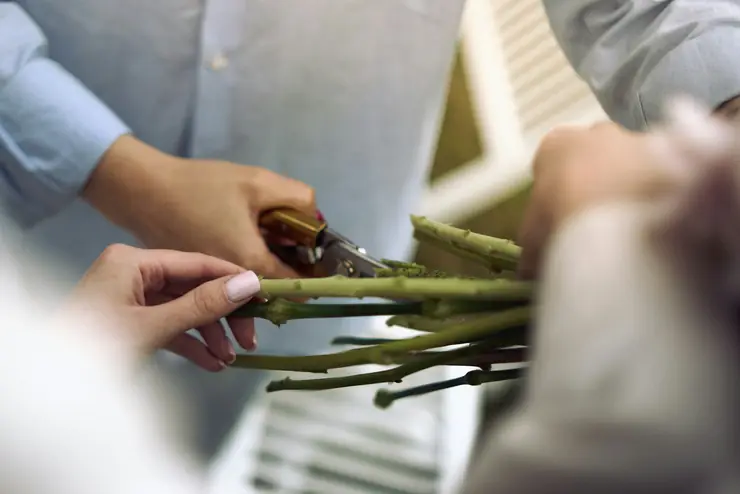
Eighteen vase life tricks, tested
A florist sorts 18 popular vase life tricks into works, harmless and actively bad, with the reason behind each and a five-step routine that holds up.
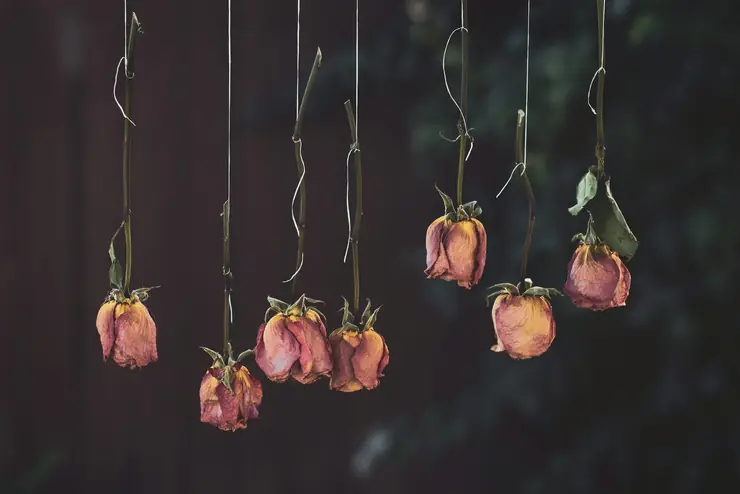
How to save a bouquet, from the first hour to the first year
A timeline for preserving flowers: what to decide in the first hour, the three-day deadline, week one drying, month one framing, and year one care.

Two weeks from a dozen roses, day by day
A day one to day fourteen log of what a dozen roses should look like and what to do each day, plus quick fixes for bent necks, tight buds and browning edges.
Flower Meanings & Traditions
What flowers mean, month by month and year by year.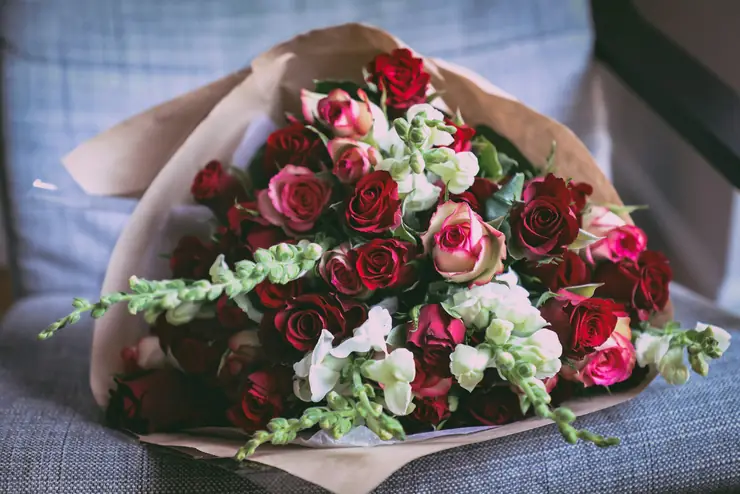
Anniversary flowers from the first year to the fiftieth
Every traditional anniversary flower from year one to fifty in one table, with colour cues, gift pairings, and honest notes on skipped years and modern swaps.
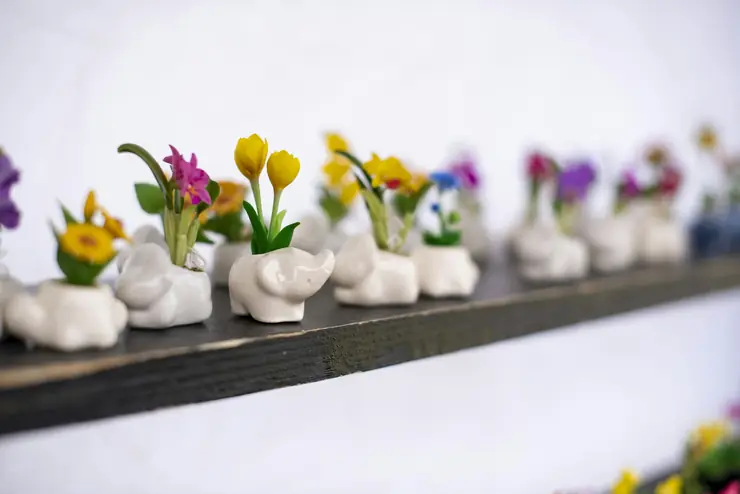
Birth flowers by month, and the bouquet to build around each
All twelve birth flowers, what each one traditionally meant, a three-stem bouquet recipe for every month, and an honest note on what florists can actually get.
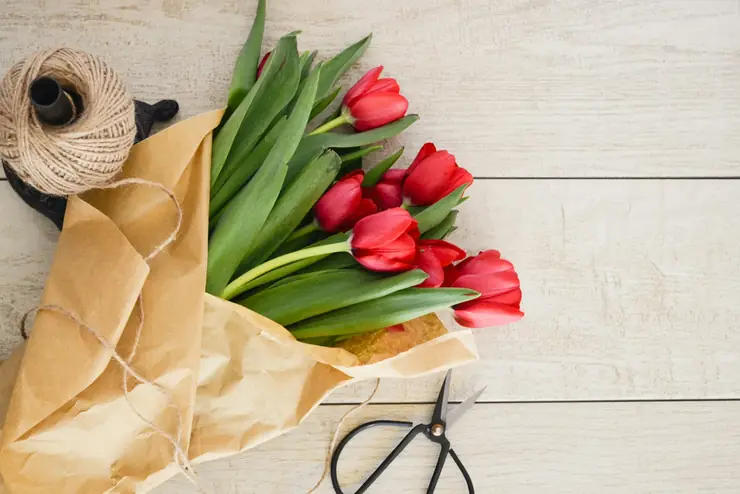
Start with the message, end with the bouquet
A reverse lookup guide to flower meaning: pick what you want to say, then see which blooms and colors carry it and which ones muddle the message.
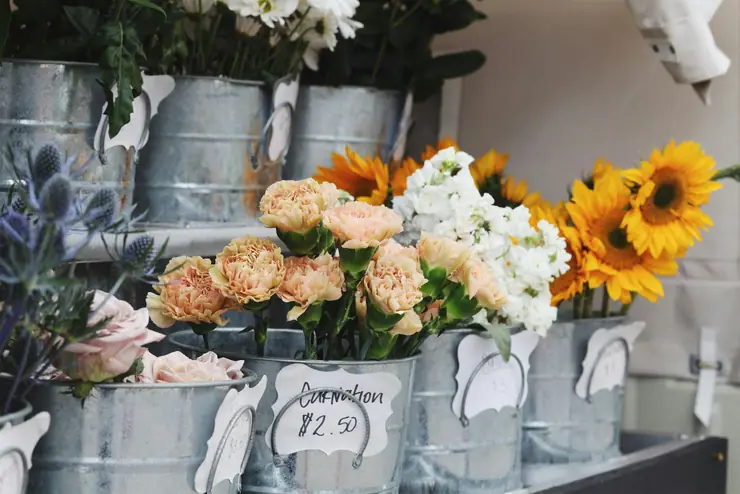
The florist's calendar of what is cheap and what is scarce
A month-by-month supply calendar for flower buyers: what is abundant, what is scarce, which dates spike prices, and the substitution a florist would make.

Which flowers are safe around cats and dogs
A florist's three-tier guide to flowers and pets: the red list to keep out entirely, the amber list that comes down to placement, the green list you can build anything from.
Buying Flowers Wisely
What delivery really costs and how to make sure your money reaches a real florist.
How to spot a fake local florist in sixty seconds
A quick red-flag checklist for florist websites, phones and checkout fees, plus a step-by-step trace of one identical order placed two different ways.
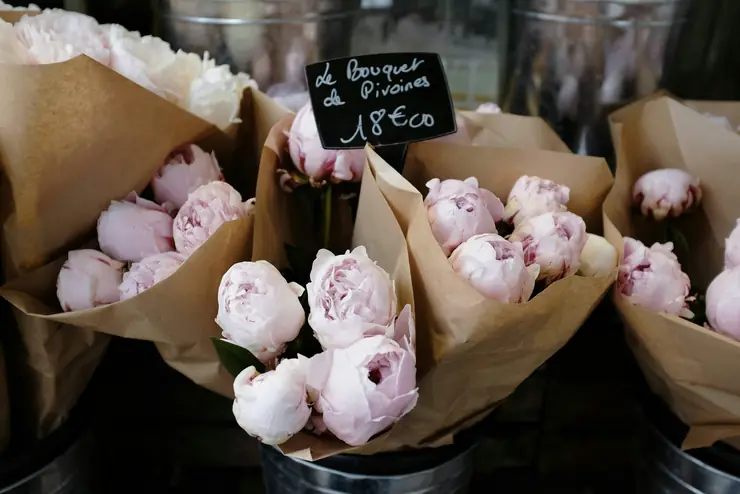
What 40, 85 and 175 dollars buy at a real florist
A florist's breakdown of what $40, $85, and $175 buys in stems, vessel and design time, plus every fee that can legitimately appear at checkout.
Sympathy & Funeral Flowers
What to send, what to write, and what's appropriate, for the moments when it matters most.
Casket spray or standing wreath, worked out in three questions
A simple decision tree for funeral flowers: answer three questions about relationship, service type and budget, and land on one arrangement with a size and price.

Fifteen funeral flower questions people are embarrassed to ask
Plain answers to the funeral flower questions nobody wants to ask out loud: cost, timing, card wording, faith customs, and whether you can send anything at all.
Send condolence flowers to the service or to the house
Service pieces and home arrangements are built differently. A florist's guide to choosing the destination, timing the delivery, and ordering the right object.

Sympathy card lines that land, by situation
Ready-to-copy sympathy card lines sorted by relationship and situation, plus the phrases to skip and how to sign off clearly.
Sympathy flowers and customs, faith by faith
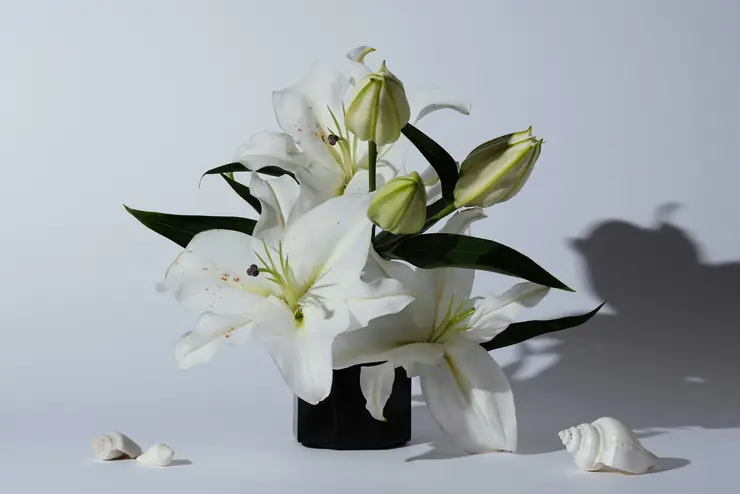
A florist's quick reference to funeral flower customs across six faith traditions, plus what to send instead, when to send it, and how families vary.
What to do when the family says in lieu of flowers
Decode the exact obituary wording, from named charities to "no flowers please," and match each phrase to a respectful response with honest cost ranges and timing.
Wedding Flowers
Plan, budget, and book your wedding florist with confidence.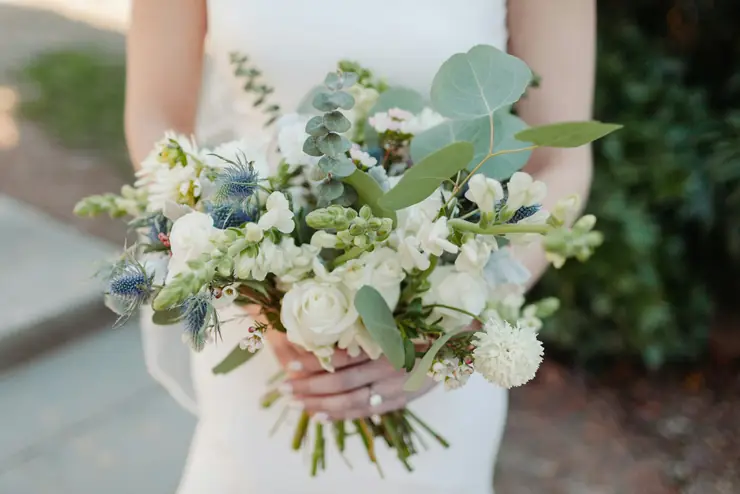
How to read a wedding florist's answers
A wedding florist consultation is an interview. Learn what a strong answer sounds like, what should worry you, and the follow-up question to ask in between.

The wedding flower countdown, twelve months to the day
A month-by-month wedding flower checklist from 12 months out to the morning of, plus a rescue plan if you are starting late or chasing a peak date.
Your wedding date decides your bouquet
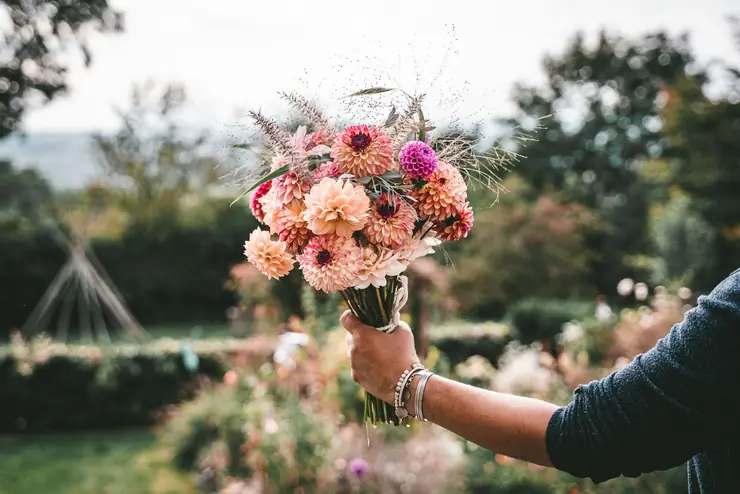
A month-by-month wedding flower planner: hero stems, palettes, honest swaps when your first choice is gone, and a rough cost multiplier for every part of the year.
How these guides are written
Each guide answers one question people bring to a flower shop counter, in enough depth to act on: what to send to a funeral and what to write on the card, how far ahead to book a wedding florist and what to ask at the first meeting, why roses droop on the second day and how to save them, what a fair price looks like at a real shop, which flowers are safe around a cat. They are written from the florist's side of the counter, in plain language, and they are checked against what working florists actually do rather than what a search engine expects to see.
They are also independent of the guides on our sister site, RateAFlorist. The two libraries cover the same subjects because the same questions come up on both sites, but every guide here was written from scratch with its own structure, examples and answers, so a reader who follows a link from one site to the other finds something new rather than the same page twice.
The five collections
Sympathy and funeral flowers covers the moments when getting it right matters most: what is appropriate to send, where to send it, what the family means by "in lieu of flowers", how customs differ by faith, and the questions people are embarrassed to ask a funeral director. Flower meanings and traditions is the reference shelf: birth flowers by month, anniversary flowers by year, what each flower has come to mean, and which are safe around pets. Flower care is the practical shelf: making a bouquet last, reviving what droops, the tricks that work and the myths that do not, and keeping a gift orchid alive for a year. Wedding flowers takes you from the first call to the day, with the questions to ask a florist and the timeline to book by. Buying flowers wisely explains what your money buys at a real shop, how to spot a relay company in a minute, and what a florist's calendar does to prices through the year.
How to use them
Read the one that matches your question, then use the search box at the end of it to find the shop nearest the recipient and call. Every guide ends there on purpose: the advice is only useful once it becomes a phone call to a florist who can act on it. If a guide does not answer your question, the blog adds three shorter pieces a week from the same point of view, and the contact page reaches a person who will point you to the right one or write it.
What the guides will not do
They will not name a shop, quote a firm price, or claim a study that does not exist. Prices appear as honest ranges because a bouquet costs different money in Manhattan and in Manhattan, Kansas. Care advice is the mainstream practice a good florist would give you at the counter, not a chemistry experiment. Where a custom varies by region or faith, the guide says so rather than flattening it. And none of it is sponsored: no florist, wholesaler or brand pays to appear in a guide, which is why the guides can say plainly that a supermarket bunch is sometimes the right buy.
Which guide, for which moment
A death in a colleague's family: start with what to send to the service or the house, then the card lines by situation, and check the faith-by-faith reference if the service is a tradition you do not know. A wedding a year out: the countdown first, then the questions to ask a florist, then what your date does to your bouquet. A gift orchid on the kitchen table: the first-year plan. Roses drooping on day two: the two-week rose diary has the fix in its day-two entry. A limited budget and a big occasion: what forty, eighty-five and a hundred and seventy-five dollars buy, then the calendar of what is cheap and scarce. A florist's website that looks local but might not be: sixty seconds with the fake-florist guide. A cat that eats bouquets: the pet-risk tiers.
The connection to the directory
Every guide is written on the assumption that the reader will end up calling a real flower shop, and every guide links to the shops that can act on it: the sympathy guides to the search box for the town of the service, the wedding guides to the wedding florists in your town, the care guides back to the shop that made the arrangement, which is usually the best source of advice about it. The guides are free to read, need no account, and carry no advertising; they exist because a better-informed caller gets better flowers, and better calls are the point of the site.
Keeping them current
Each guide carries the month it was last reviewed. Prices, customs and products drift, so the library is re-read on a rolling basis and corrected when something has changed; if you find a claim that is out of date, the contact page is the fastest way to have it fixed, and corrections that change a guide's meaning are noted on the guide.